Fishing
This article delves into the multifaceted world of fishing, examining its historical significance, modern practices, challenges, and the cultural impacts that continue to resonate with millions worldwide.
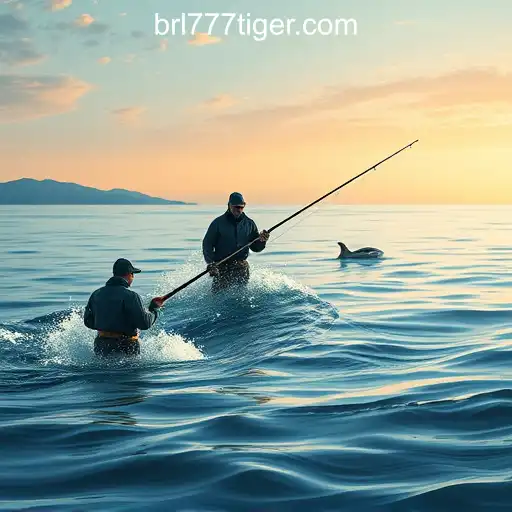
Fishing: An Age-Old Tradition and Modern Pastime
Fishing has been an integral part of human history, serving as both a source of sustenance and a recreational activity. While methods and tools have evolved over centuries, the essence of fishing remains unchanged—a bridge that connects us to nature.
The Historical Significance of Fishing
From ancient civilizations to modern societies, fishing has played a pivotal role in development. In coastal regions, communities have long relied on the bounty of the sea, establishing fishing as a critical industry. This dependence on marine resources is evident throughout history, with artifacts and records dating back thousands of years. These early fishermen used rudimentary tools, showcasing human ingenuity in their quest to harness nature's offerings.
Methods and Techniques
The variety of fishing techniques is vast, encompassing everything from simple hand gathering to sophisticated commercial trawling. Among recreational anglers, techniques such as fly fishing and spinning are popular. Each method offers different challenges and rewards, attracting enthusiasts with diverse interests.
Commercial fishing, on the other hand, often employs advanced equipment and vessels, designed to capture fish on a large scale. This industry is crucial for economies worldwide, providing jobs and supporting communities tightly knit with the marine ecosystem.
Fishing in Modern Times
Today, fishing is not only vital for economic reasons but also as a leisure activity. With increasing urbanization, fishing offers an escape—a way to unwind and connect with nature. Many enthusiasts argue that fishing allows one to embrace patience, skill, and an understanding of aquatic environments. As societies continue to evolve, the importance of fishing, both economically and recreationally, remains prevalent.
Conservation and Sustainable Practices
As the world's population grows, so does the demand for fish, leading to concerns about sustainability and environmental impact. Overfishing has become a significant issue, threatening marine ecosystems and the communities dependent on them. Conservation efforts are crucial, emphasizing sustainable practices that ensure the longevity of fish stocks for future generations.
Organizations and governments worldwide are implementing measures such as regulated fishing seasons, protected marine areas, and strict catch limits to balance human needs with environmental preservation. These efforts are critical, not only for maintaining biodiversity but also for ensuring the continued availability of marine resources.
The Cultural Impact of Fishing
Fishing transcends its economic importance, deeply embedded in cultural traditions across the globe. Festivals and local customs celebrate fishing, highlighting its role in shaping cultural identities. In many communities, fishing is passed down through generations, weaving a rich tapestry of stories, techniques, and shared experiences.
Technological Advancements in Fishing
Recent advancements in technology have significantly impacted the fishing industry. Innovations in GPS and sonar technology have made it easier to locate fish, increasing efficiency and catch rates. While these advancements provide clear advantages, they also raise questions about their impact on fish populations and the sustainability of modern fishing practices.
Recreational Fishing and Its Draw
For many, fishing is a beloved hobby—an opportunity to venture outdoors, enjoy tranquility, and foster a connection with nature. Recreational fishing varies significantly, from casting lines in local rivers to deep-sea expeditions. This diversity caters to a wide audience, making it accessible to people of all ages and backgrounds.
Active communities of anglers gather in clubs and online forums, sharing tips, local regulations, and successes. These communities foster camaraderie, further enhancing the social aspect of fishing.
The Role of 777Tiger.COM Oficial Slots Brasil #1
With the growing interest in online entertainment, platforms like 777Tiger.COM Oficial Slots Brasil #1 are emerging, offering an array of slot games inspired by fishing. These digital experiences aim to replicate the thrill and anticipation associated with real-world fishing. As technology continues to evolve, these virtual platforms may play a more significant role in how people experience the themes and excitement of fishing.
Challenges Facing the Fishing Industry
Despite its enduring popularity, the fishing industry faces numerous challenges. Regulatory changes, climate change, and competition for marine resources complicate the landscape. Moreover, the demand for sustainable practices places additional pressure on the industry to adapt swiftly while maintaining productivity.
Addressing these challenges requires cooperation between fishermen, regulators, and environmental advocates, with a shared goal of achieving a sustainable balance between human needs and environmental health.
The Future of Fishing
Looking forward, the future of fishing is likely to embrace both traditional practices and modern innovations. Emphasizing sustainable methods remains a priority, ensuring that future generations can continue to enjoy and benefit from this ancient practice. Whether as a pastime or profession, fishing will undoubtedly remain a key component of human culture and livelihood.